"All families have secrets, skeletons hidden in closets, words left unsaid.”
-Lance Weiler


Role: Producer, Composer, & Sound Designer
Where There’s Smoke is a non-linear, immersive documentary from visionary director and story-teller Lance Weiler. But that form busting concept hides the incredibly powerful and human story behind it. A few years ago, Lance lost his dad to cancer, and the experience forced Lance to confront some deep suspicions he had about his father. Fire was an obsession for Robert Weiler, who was a volunteer firefighter and amateur fire scene photographer. Yet, strangely, the Weiler family house also burned down in the 1980s. Was Lance’s dad involved??
As Lance’s dad was dying, Lance began asking questions—to himself and to his dad directly. In a series of interviews, Lance tried to get to the bottom of this mystery—only to come away with more questions.
This piece has taken multiple forms over the years, traveling to the Tribeca Film Festival, IDFA Doc Fest, and the Future of Storytelling Festival. Each time we learn and try and improve the experience for our audience.
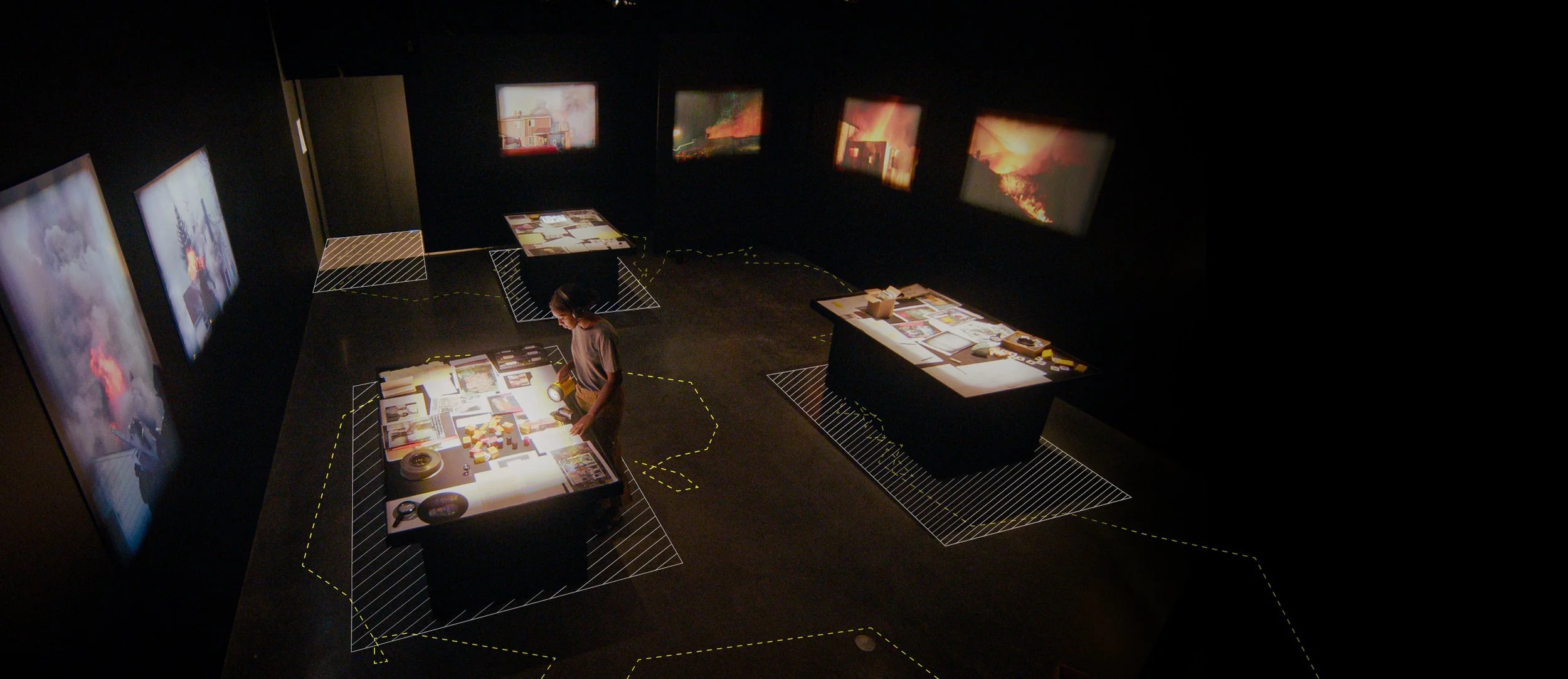
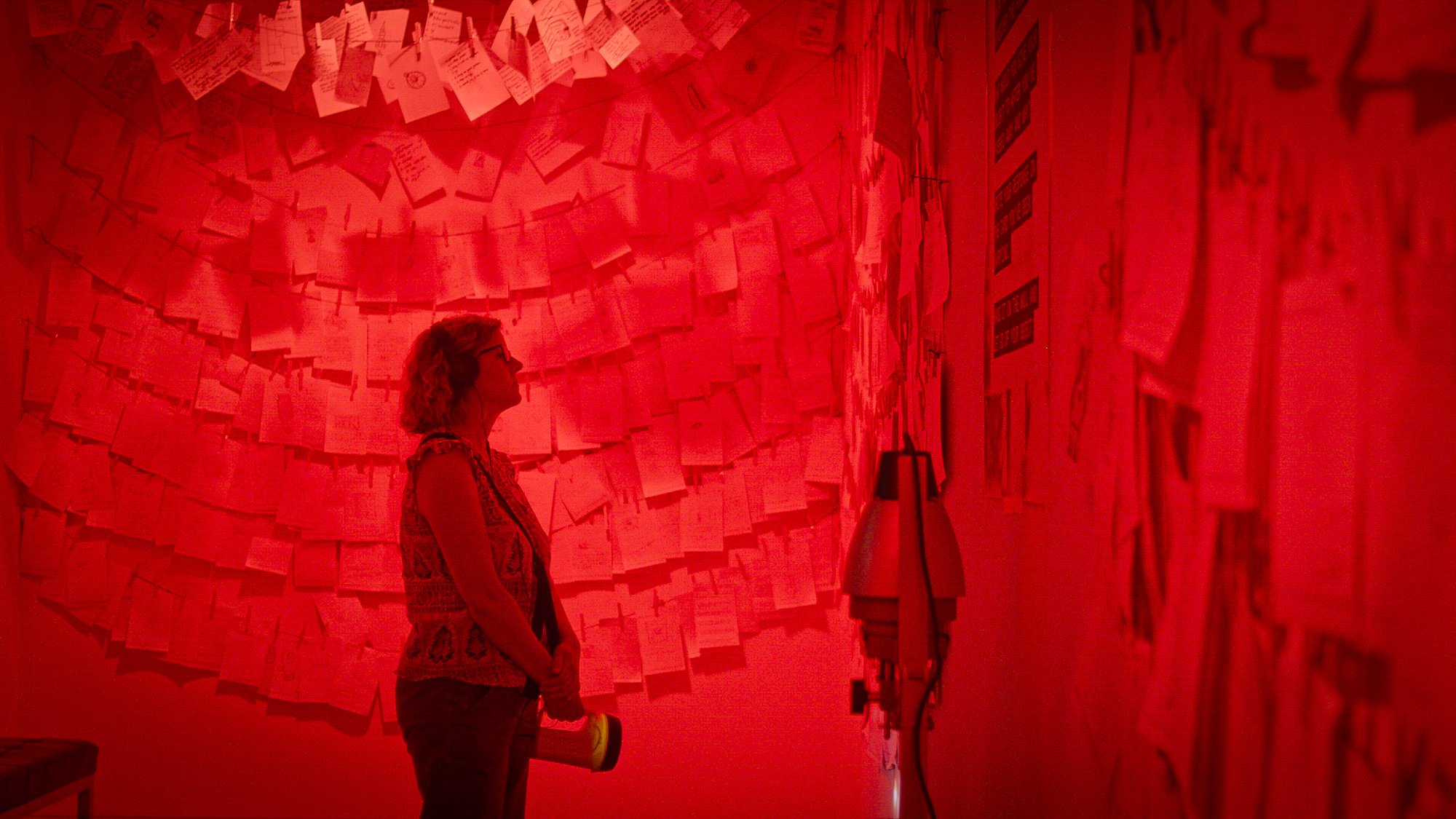
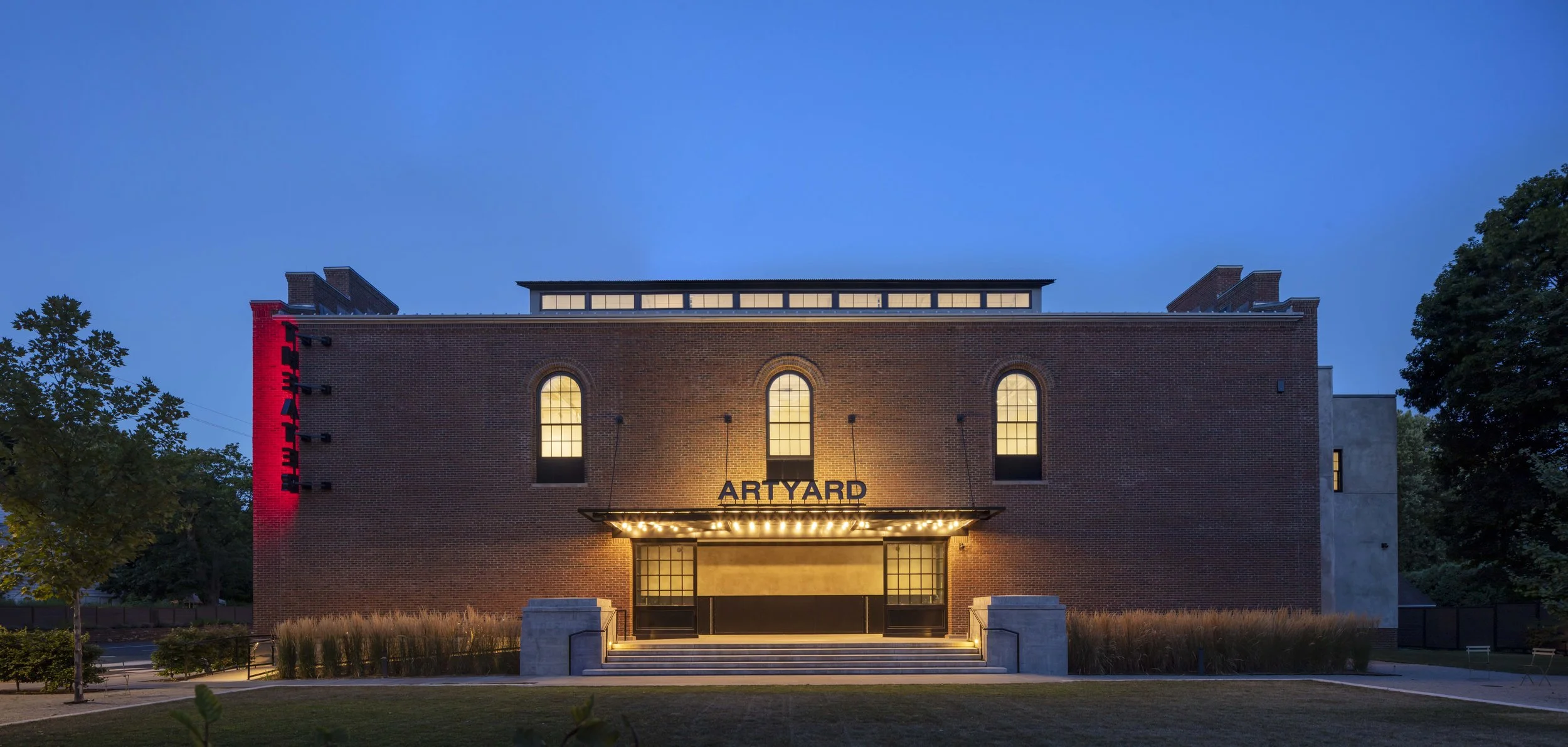
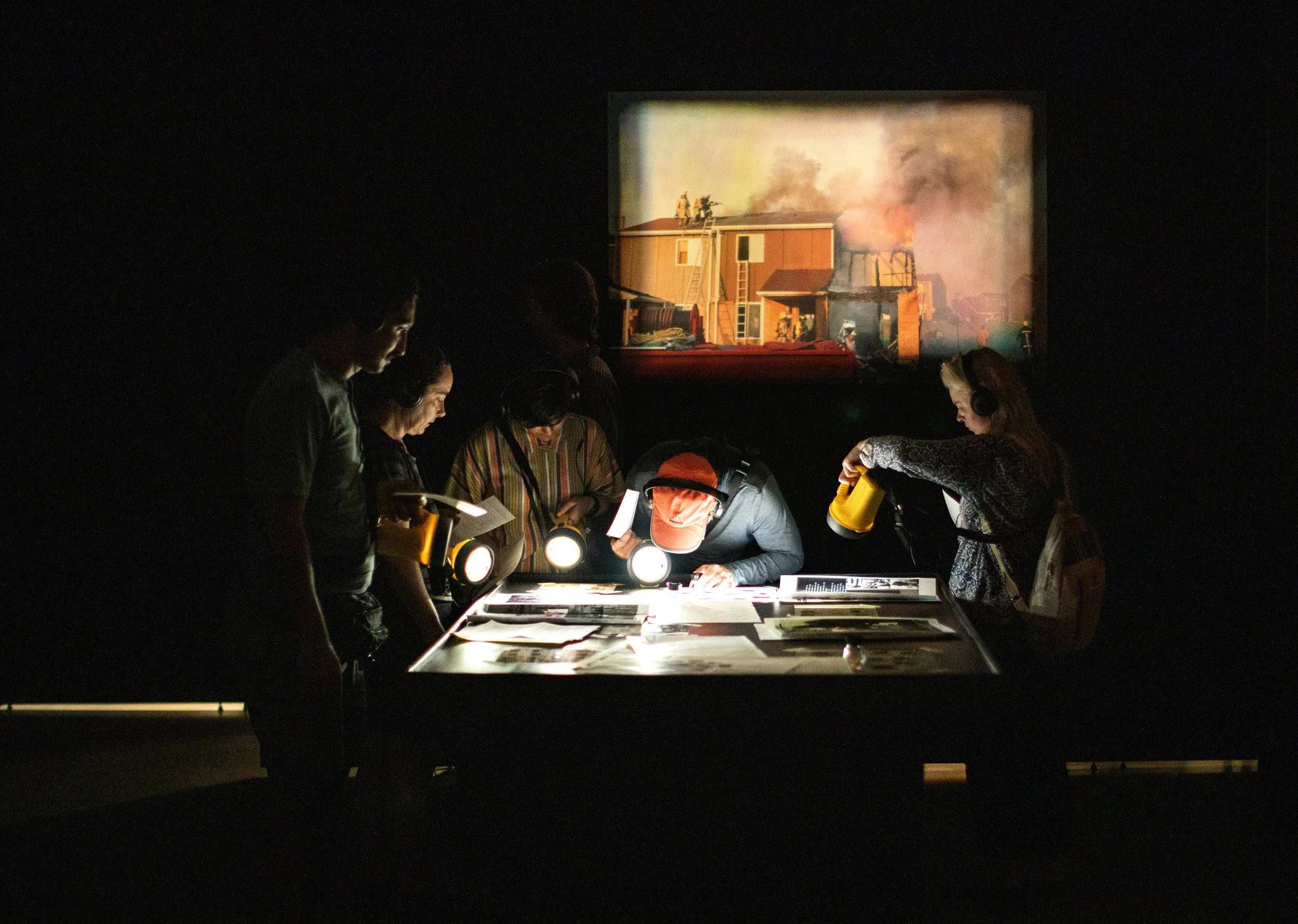
Our most recent mounting was as a gallery show at Art Yard, a small, privately funded art institution along the Delaware River in central New Jersey. Working alongside Double Take Labs, we developed some very cool positional tech to allow audiences to move around the space at their own pace and have the story served to them based on where they wander. It’s a bit like a sound walk, but inside a gallery with a more explicit experience flow.
Location-based Storytelling
To make Where There’s Smoke truly immersive, we used a Real Time Location System to give audiences self-directed, personalized stories.
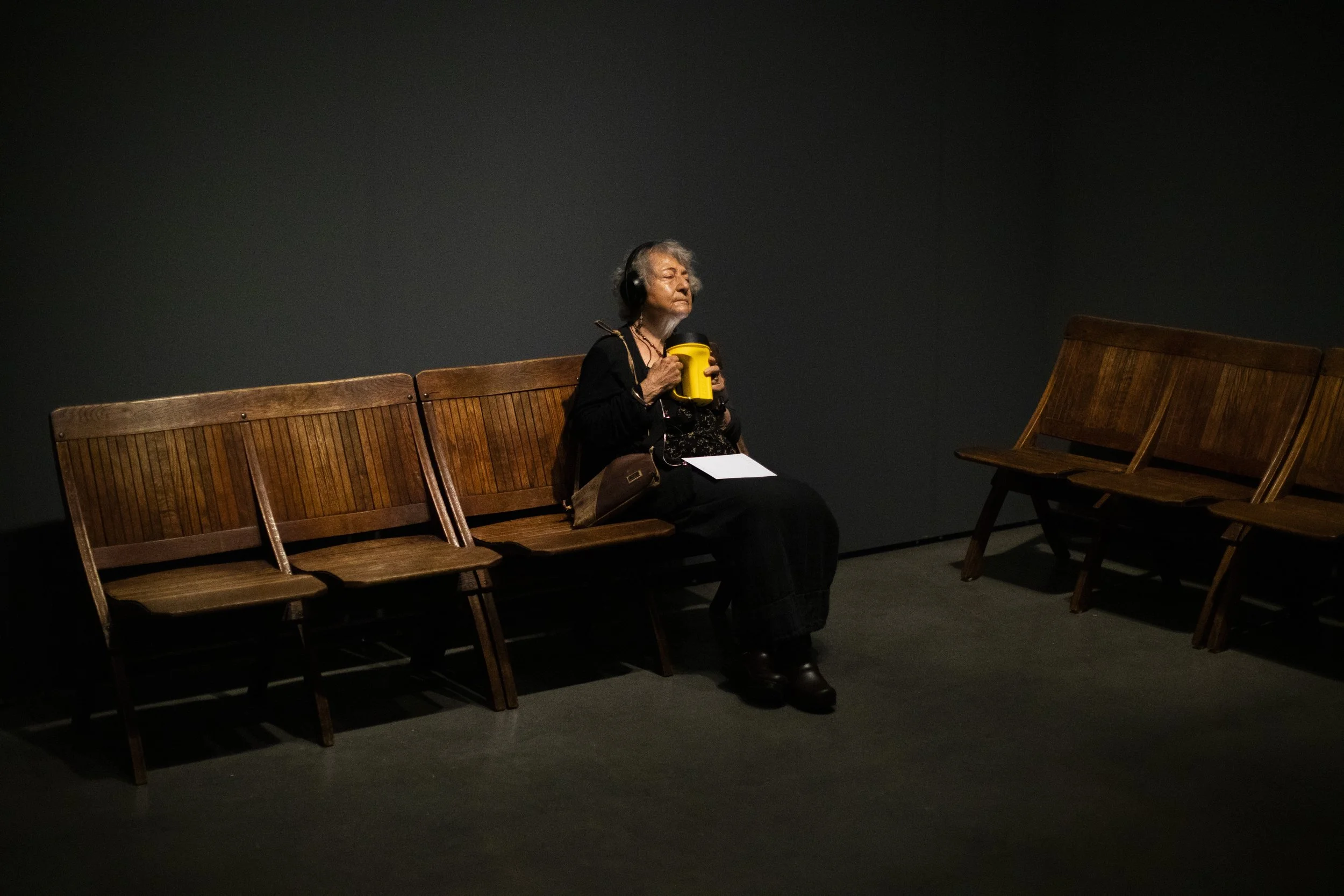
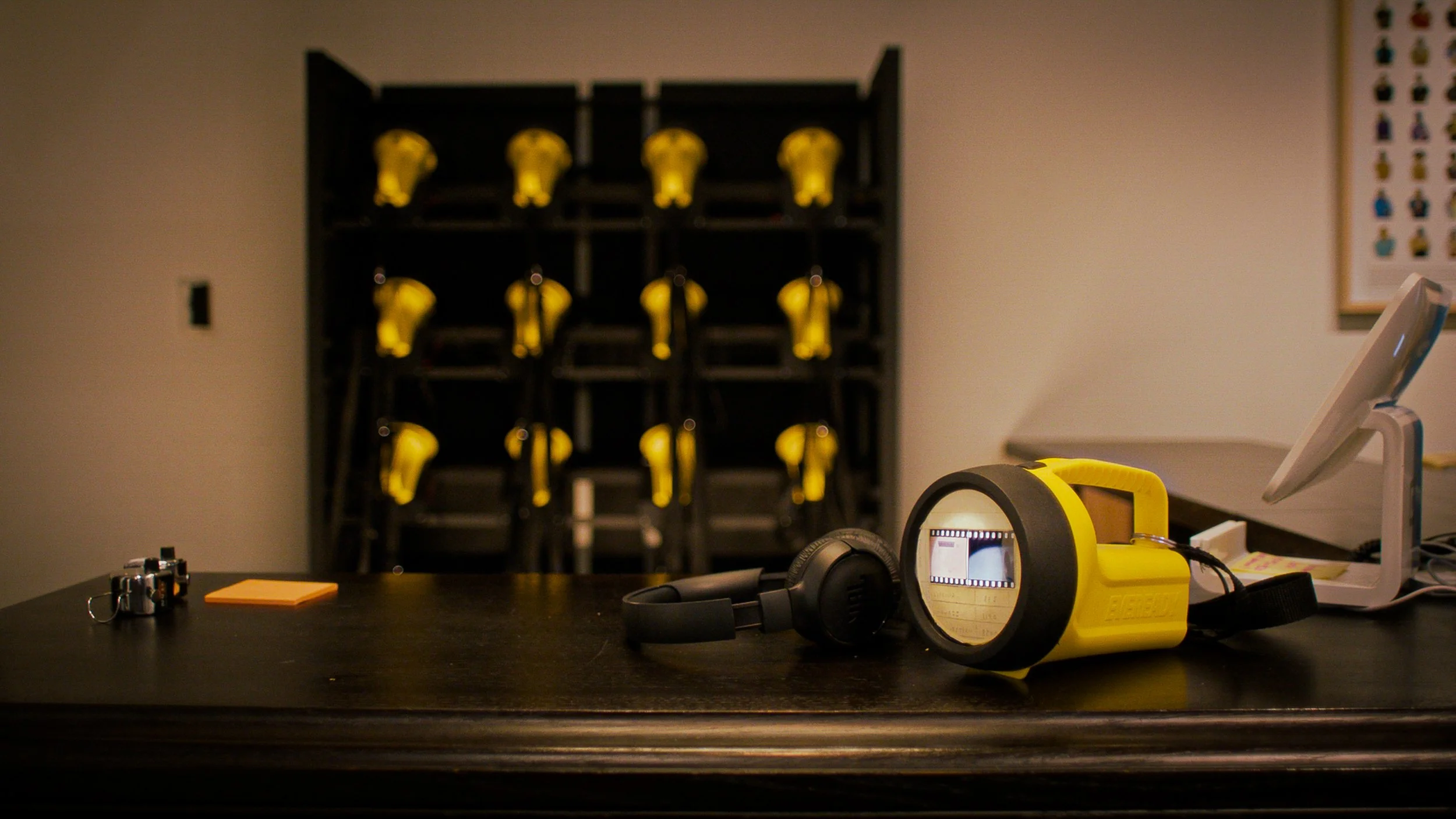
Using an RTLS system means guests must carry a tag to be tracked by the anchors. This presents a storytelling opportunity: Where There’s Smoke is a mystery about fire, so we placed the tags inside a firefighting-style flashlight. We added a microcontroller to play audio so that a single object collected data and handled the storytelling.
The RTLS system sends you a stream of positional data from each tag. By building a “volume,” or representation of the space, we can set up “zones” that allow tags to trigger different stories, instructions, or compositions distinct to each zone. The system can respond to a wide array of variables, like the number of people in the experience, or their density in an area, and vary the story accordingly.